Energy, EPCs and renewables
What a home costs to run is now part of what it is worth. Search Homebinding by energy rating, read what the certificate really measures, see what the grants pay for, and understand the difference between the old stock and the new.

Search by energy rating
Every listing on Homebinding carries its EPC band where the seller or agent has supplied it, and the search on the Buy and Rent pages filters by band, so a buyer who wants a C or better sees only those homes. A listing without a certificate says so; the certificate is a legal requirement when a home is marketed, so a missing band is a question for the seller.

What the certificate measures
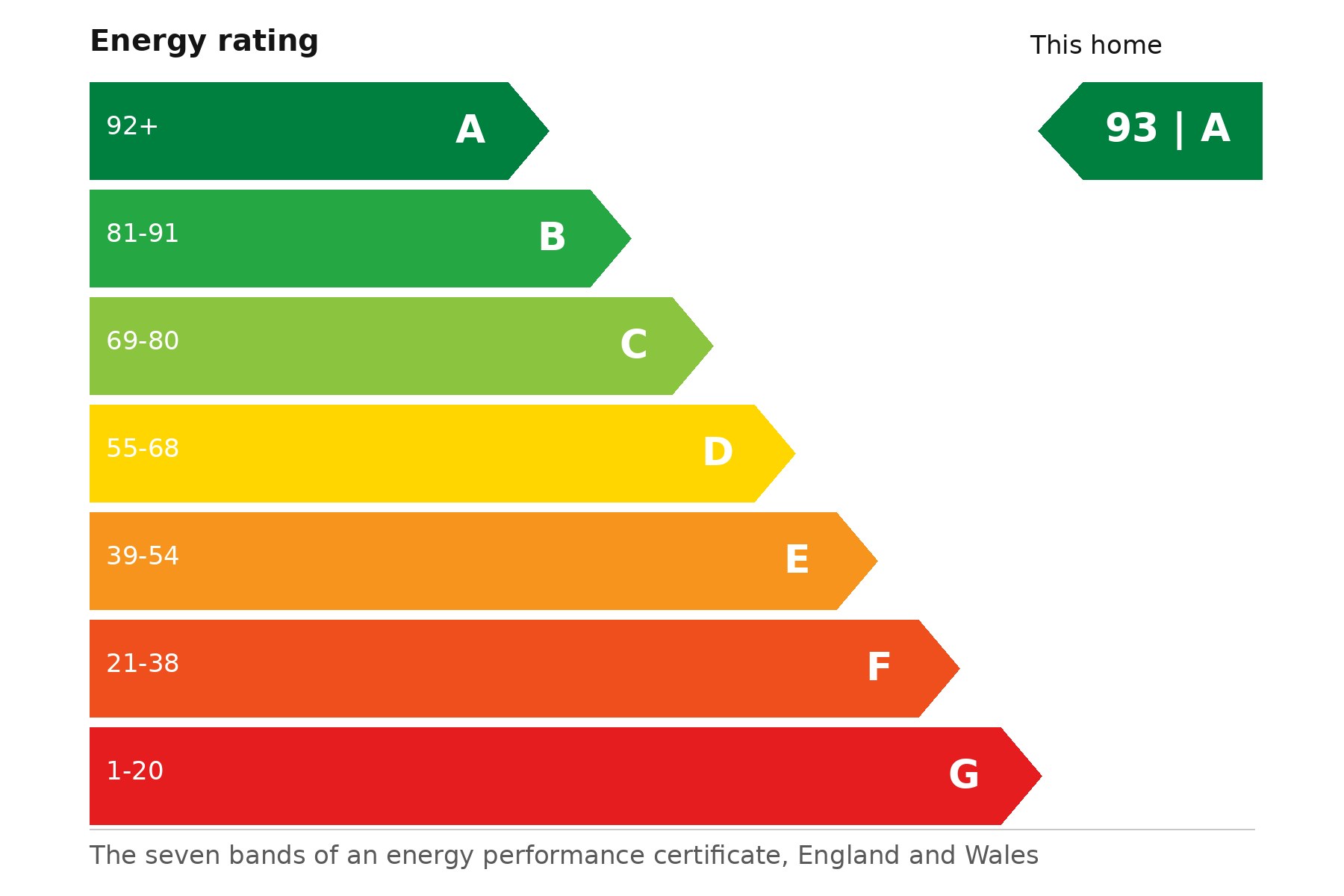
An Energy Performance Certificate rates a home from A to G on a scale of 1 to 100 for energy efficiency, estimates the running costs for heating, hot water and lighting, and lists the improvements that would raise the rating with an indicative cost and saving for each. It is produced by an accredited assessor from the fabric, the heating system, the glazing and the insulation, lasts ten years and is lodged on the national register where anyone can look a property up. It is a model of the building, not a meter reading: the same home can cost very different amounts to run depending on who lives in it.

The bands
A is 92 to 100, B 81 to 91, C 69 to 80, D 55 to 68, E 39 to 54, F 21 to 38 and G 1 to 20. Most homes built before the 1990s sit in D or E unless they have been improved; a new build under the current building regulations is normally B; an A is rare and usually means solar generation and a heat pump on a well insulated fabric.

Renting: the minimum standard
A privately rented home in England and Wales must meet the minimum energy efficiency standard of band E before it is let, unless a valid exemption is registered. The government's guidance for landlords on the standard, the exemptions and the penalties reads here in full.

The grants
The Boiler Upgrade Scheme pays a grant towards an air source or ground source heat pump or a biomass boiler replacing a fossil fuel system in England and Wales, claimed through the installer. Warm Homes: Local Grant funds insulation and low carbon heating for lower income households in eligible homes through local councils. Both official guides are below.

Old stock against new
England's housing is the oldest in Europe, and the English Housing Survey on this site sets out, tenure by tenure, how many homes reach band C and what it would cost to get the rest there. Read the energy efficiency chapter beside the survey's own figures rather than a summary of them.
The renewables, and what each one is for

Solar photovoltaic
Panels that make electricity from daylight, used in the home first and exported when there is a surplus. Output depends on orientation, pitch, shading and the size of the array; a battery stores the day's surplus for the evening. Export is paid under the Smart Export Guarantee by licensed suppliers.

Air source and ground source heat pumps
A heat pump moves heat from the air or the ground into the home using electricity, giving several units of heat for each unit of electricity when the house is insulated and the radiators or underfloor heating are sized for lower flow temperatures. It is the main route to a low carbon home and the technology the Boiler Upgrade Scheme supports.

Solar thermal
Roof collectors that heat water directly, feeding a cylinder. Simple and reliable for hot water; it does not heat the house.

Wind, hydro and biomass
A small wind turbine suits an exposed rural site with planning consent; micro hydro suits a property with a stream and a head of water and the right abstraction consents; a biomass boiler burns pellets or logs and is a fit for an off grid home with fuel to hand. Each is a specialist installation and the neighbourhood page shows the constraints for a particular site.

Fabric first
Insulation, airtightness, glazing and ventilation come before generation: a poorly insulated house with a heat pump is an expensive house. Loft and cavity insulation, external or internal wall insulation on solid walls, floor insulation, triple glazing and mechanical ventilation with heat recovery are the measures the certificate's recommendations list, in that order of value.

A worked example: Belmont
The Belmont penthouse at Arbutus Drive, on Homebinding for sale and at auction, was built with a 14 layer foil insulation system with cavity wall insulation, a 4.5kw solar PV array, air source heat and cooling pumps, zoned electric underfloor heating and triple glazing, in the builder's own account. Its listing shows how the fabric, the generation and the certificate come together in one home.
The official guidance, in full
Building design and materials Building regulations, part by part Ask your agent